Your furnace has probably carried your family through a lot of cold Ohio nights without much fanfare. But no heating system lasts forever, and the worst time to find that out is during a January deep freeze. If you’re starting to wonder about furnace installation in Madison, OH, knowing what to watch for can help you plan ahead instead of scrambling.
Since 1946, our family has helped Lake County homeowners decide when to repair and when to replace. Here’s what we’ve learned about furnace lifespans, the warning signs of an aging system, and how our furnace replacement services can make the switch simple.
 How Long Does a Furnace Last?
Most furnaces last somewhere between 15 and 20 years. Where yours lands in that range depends on a few key factors:
- How well it was sized and installed in the first place
- How often it received professional maintenance
- How regularly the air filter was changed
- How hard it has to work through long Northeast Ohio winters
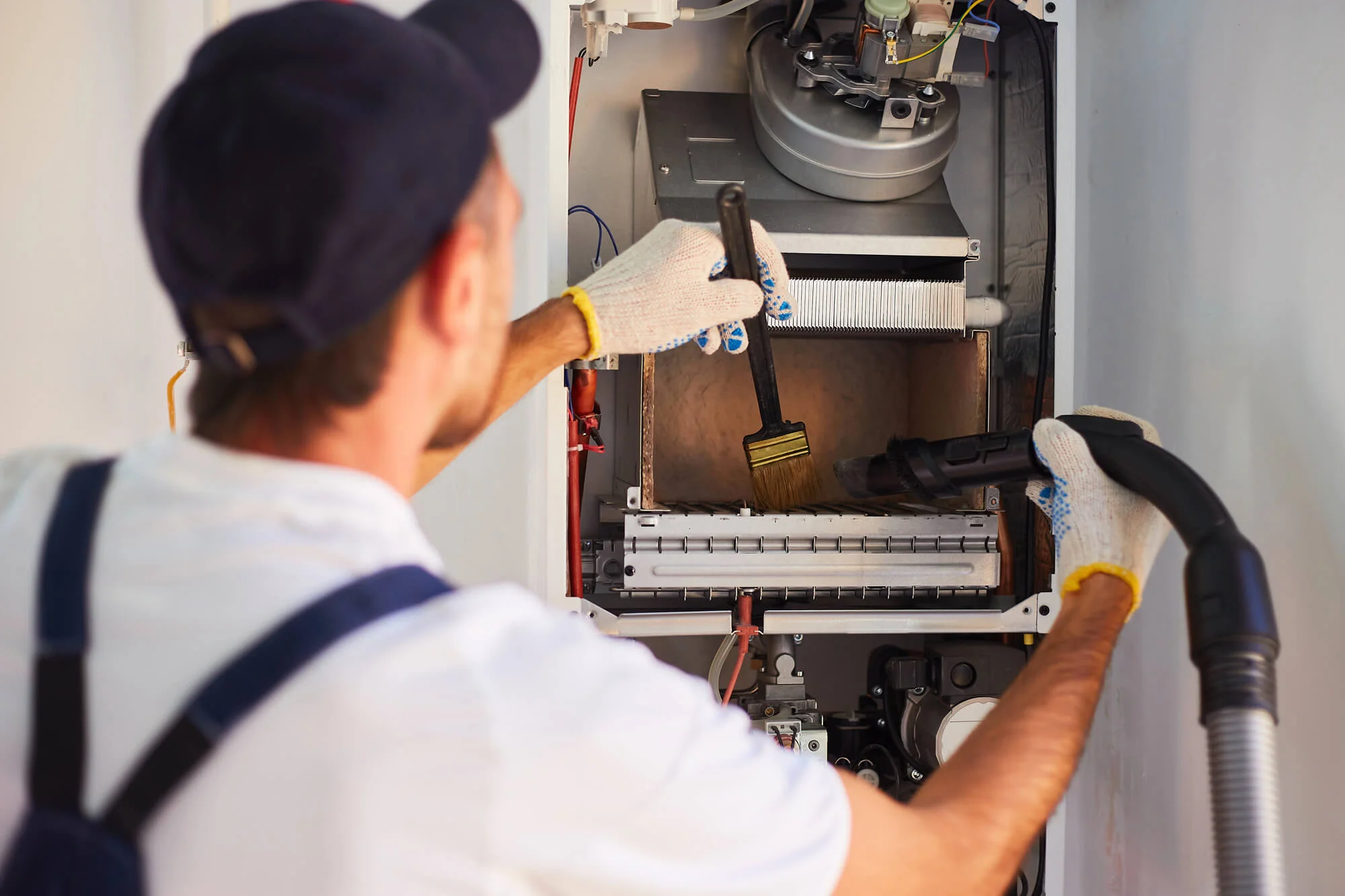
A furnace that gets yearly attention tends to run more efficiently and reach the later end of that range. If yours has gone a few seasons without a checkup, scheduling furnace maintenance and tune-ups is a smart first step, whether you’re planning to replace it soon or hoping to get a few more good years out of it.
Signs Your Furnace Is Nearing the End
Furnaces rarely quit without warning. Most start dropping hints well before a breakdown.
It’s More Than 15 Years Old
Age alone doesn’t mean you need a new furnace, but it’s worth keeping in mind. Older units tend to lose efficiency and become more prone to major part failures. If you’re not sure how old yours is, the manufacture date is usually printed on a label inside the unit’s access panel.
Repairs Are Becoming a Habit
One service call over several years is normal. Calling for furnace repair every winter is a different story. When repair costs start stacking up, that money is often better spent on a reliable new system.
Your Heating Bills Keep Climbing
If your usage hasn’t changed but your bills have, declining efficiency may be to blame. According to the U.S. Department of Energy’s guide to home furnaces and boilers, older systems often run between 56% and 70% efficiency, while modern high-efficiency models can reach as high as 98.5%. That’s a big difference in how much of your fuel actually becomes heat.
Uneven Heat or Dusty, Dry Air
Cold rooms, a furnace that runs constantly without warming the house, or air that feels dusty and dry can all point to an aging system that struggles to circulate air. A new furnace often helps, and pairing it with indoor air quality solutions can make your home feel fresher, too.
 Rust, Corrosion, or Safety Concerns
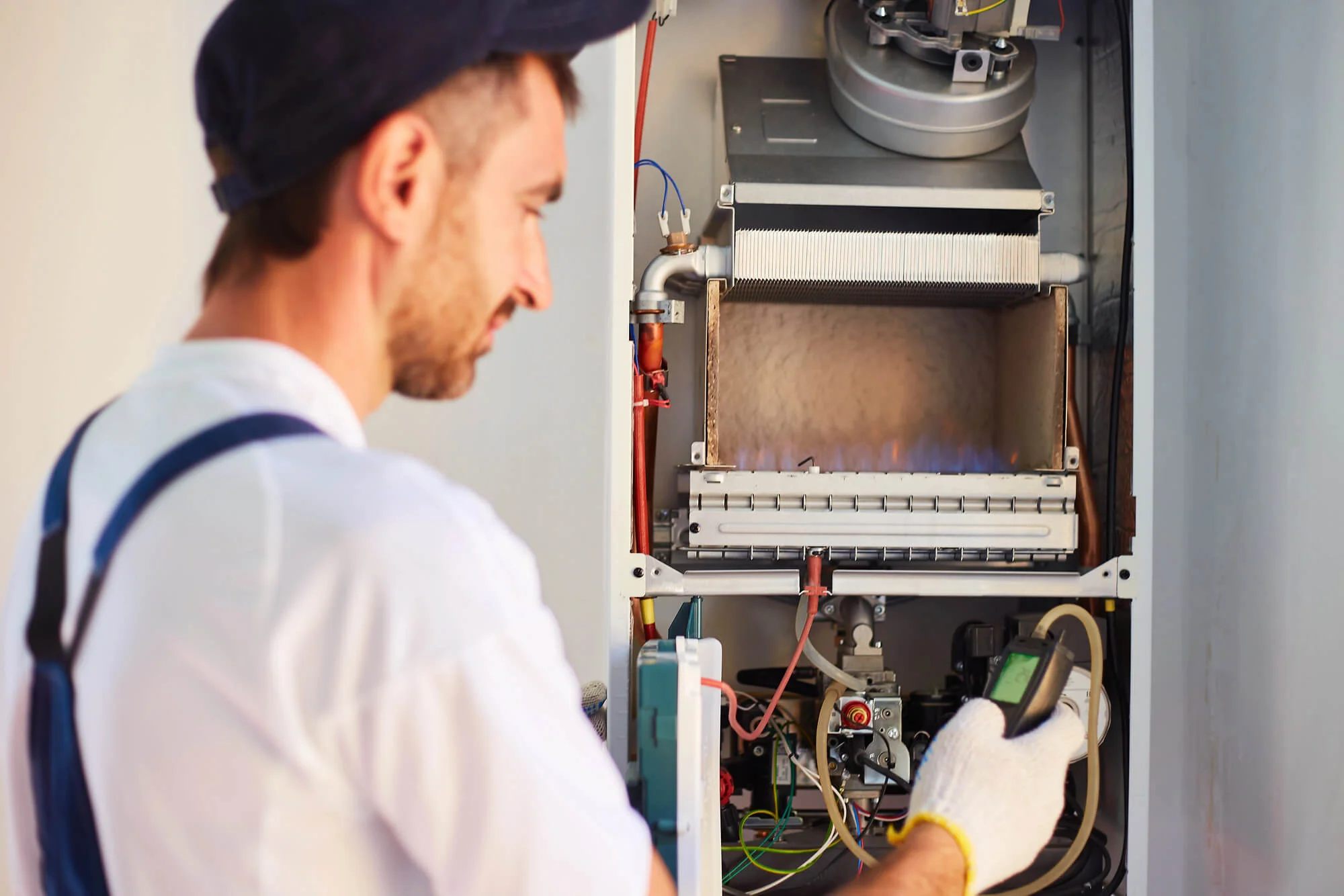
Visible rust, water around the unit, or a yellow flame instead of a steady blue one deserves a professional look. A cracked heat exchanger can allow carbon monoxide into your home, which is why a working CO alarm on every level is so important. Our carbon monoxide safety services can help give your family extra peace of mind.
Should You Repair or Replace?
There’s no one-size-fits-all answer, and our goal is honest guidance, not a sales pitch. Generally, a repair makes sense when your furnace is less than 10 years old, the fix is minor, and it’s been reliable overall.
Replacement is often the smarter choice when:
- Your furnace is 15 to 20 years old or more
- A major part like the heat exchanger or blower motor fails
- Repairs are frequent or costly
- Your home has persistent hot and cold spots
If you’re unsure, we’ll evaluate your system and lay out both options, including what each one costs, so you can make the decision that’s right for your home and budget.
What to Know Before Installing a New Furnace
If replacement is the right call, a little knowledge helps you make a confident choice.
Proper Sizing Comes First
Bigger isn’t always better. A furnace that’s too large will cycle on and off, while one that’s too small will run nonstop. Before recommending a model, our team looks at your home’s square footage, insulation, and ductwork to find the right fit. The Department of Energy also suggests tackling insulation and drafty windows first, since a tighter home may need a smaller, less expensive furnace.
Choose the Right Efficiency Level
We install gas furnaces, electric furnaces, high-efficiency models rated at 95% AFUE or higher, and two-stage and variable-speed systems that adjust their output for quieter, more even heat. ENERGY STAR certified furnaces offer higher efficiency ratings and more efficient blower motors than standard models, which can make a real difference in a cold climate like ours.
What Installation Day Looks Like
Most installations are finished in a single day. Our technicians remove your old unit, install the new one, connect everything safely, set up your thermostat, and test the system. Before we leave, we’ll walk you through your new furnace and answer any questions. It’s also a great time to consider a programmable or smart thermostat, which can help your new system run even more efficiently.
Why Fall Is the Best Time to Plan
Replacing a furnace on your own schedule beats doing it during an emergency. Heating companies get busiest once temperatures drop, and a furnace that fails on a holiday weekend can leave you with few good choices. Planning now gives you time to compare options and get your new system in place before the coldest weeks arrive. For larger investments, flexible financing options can help you upgrade without waiting.
 Schedule Furnace Installation in Madison, OH, With Hearn
Whether your furnace has a few good years left or it’s time for something new, we’ll give you honest guidance and straightforward pricing before any work begins. Our family has been keeping Madison homes cozy for three generations, and we’d be glad to help yours.
Call (440) 428-3905 or reach out to our team to schedule an evaluation and stay warm all winter long.