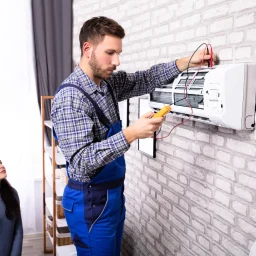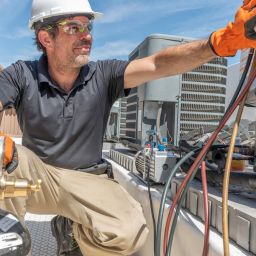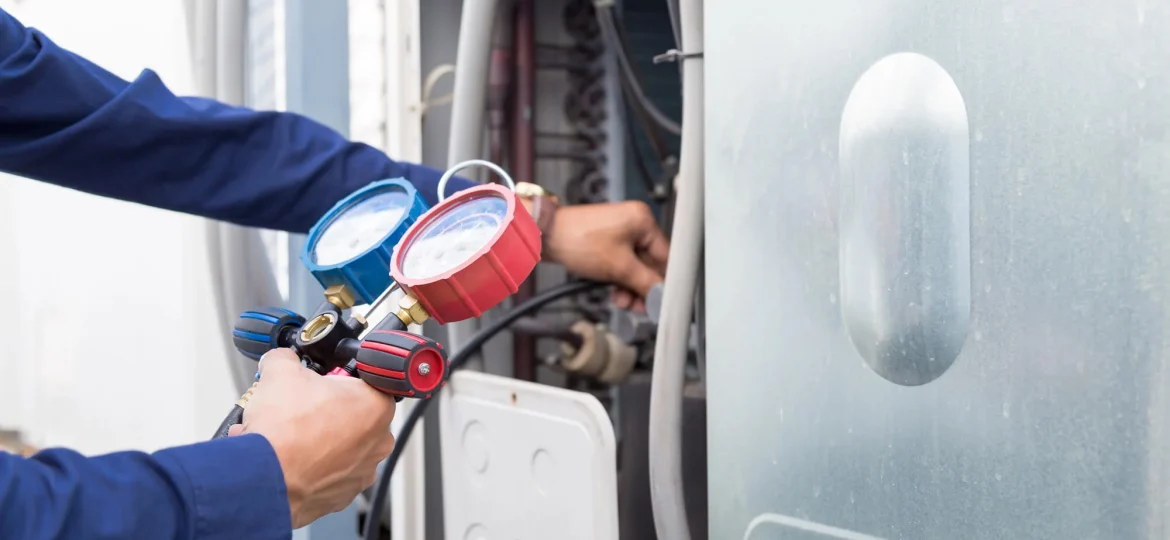
The first truly cold night in Northeast Ohio has a way of exposing every weak spot in a home’s heating system. A furnace that sat all summer quietly suddenly has to carry the load, and small problems that went unnoticed in September can turn into a no-heat call in January. If you’ve been putting off HVAC repair in Kirtland, OH, late fall is the best time to take a closer look.
Our family has been keeping Lake County homes comfortable since 1946, and we’ve learned that most systems give plenty of warning before they quit. Knowing those signs and what you can safely check on your own makes it easier to decide when it’s time to call for professional HVAC services in Kirtland.
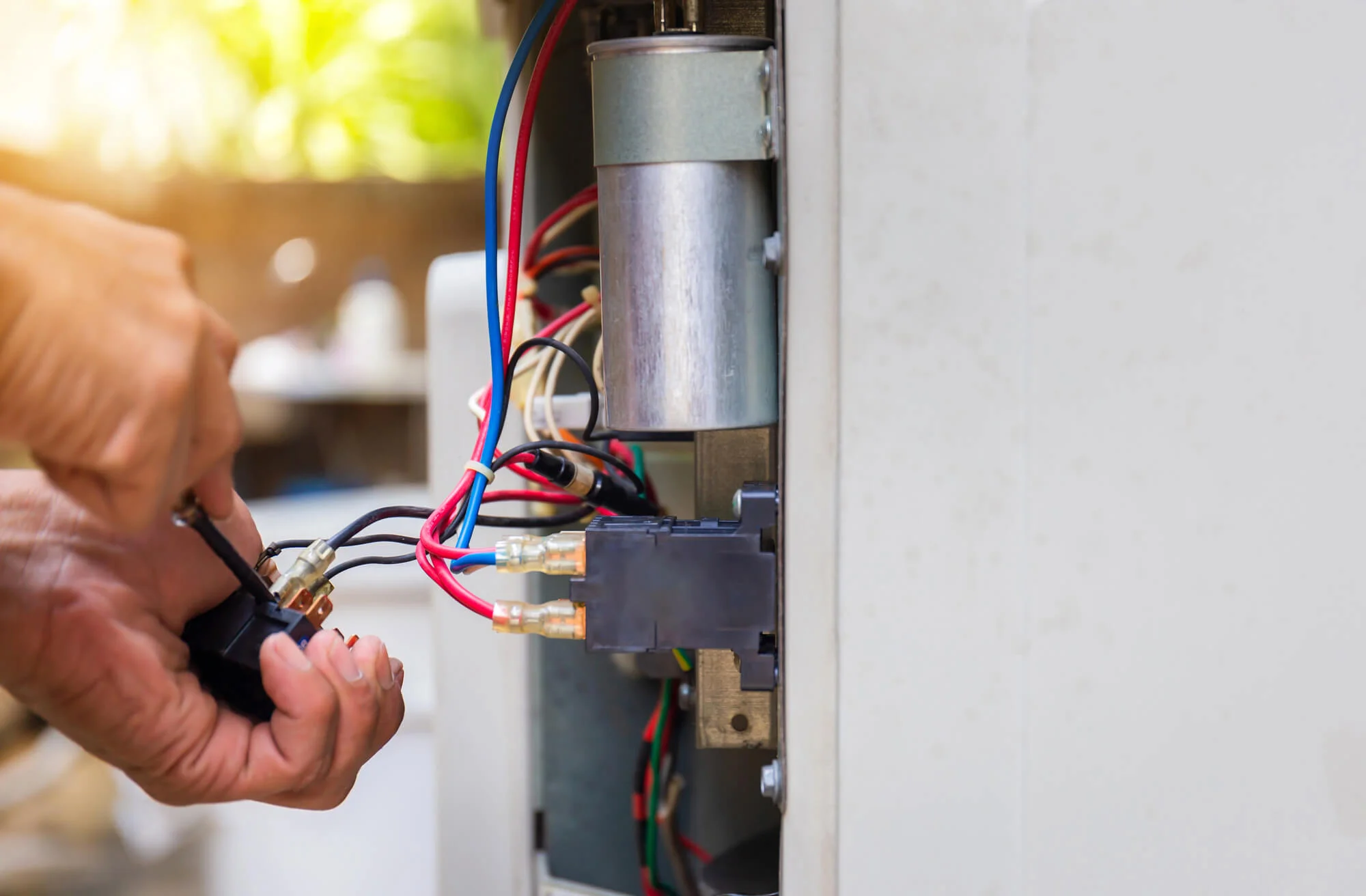 Why Late Fall Is the Right Time to Pay Attention
Your heating system works hardest from December through February, and that’s also when HVAC companies are busiest. Catching a problem now means you can schedule a repair on your timeline instead of waiting it out in a chilly house during a lake-effect snowstorm.
It also protects your budget, since replacing a worn part early is often simpler than fixing the damage it causes once it fails.
Warning Signs Your HVAC System Needs Attention
Some signs are hard to miss, while others are easy to brush off as quirks of an older house.
Strange Noises When the System Runs
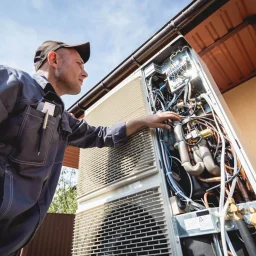
A gentle hum is normal. Banging, grinding, squealing, or rattling are not. These sounds can point to loose parts, worn motor bearings, or a blower that’s out of balance. Running a system with a mechanical problem puts strain on it, so it’s smart to have it checked before the noise turns into a breakdown.
Weak Airflow or Uneven Temperatures
If one bedroom stays chilly while the living room feels toasty, or the air coming from your vents feels weak, something is restricting airflow. A clogged filter, a struggling blower motor, or ductwork issues are common culprits.
When you call for heating and cooling repair, our technicians look at the whole system, not just the vent, to find the real cause.
Energy Bills That Keep Climbing
Heating costs naturally rise when temperatures drop, but a sudden jump that doesn’t match the weather is a red flag. A system that runs inefficiently has to work longer to reach the same temperature, and you pay for every extra minute.
If your furnace is a few years old, the U.S. Department of Energy’s guide to home furnaces and boilers explains how efficiency ratings affect heating costs.
The Furnace Turns On and Off Too Often
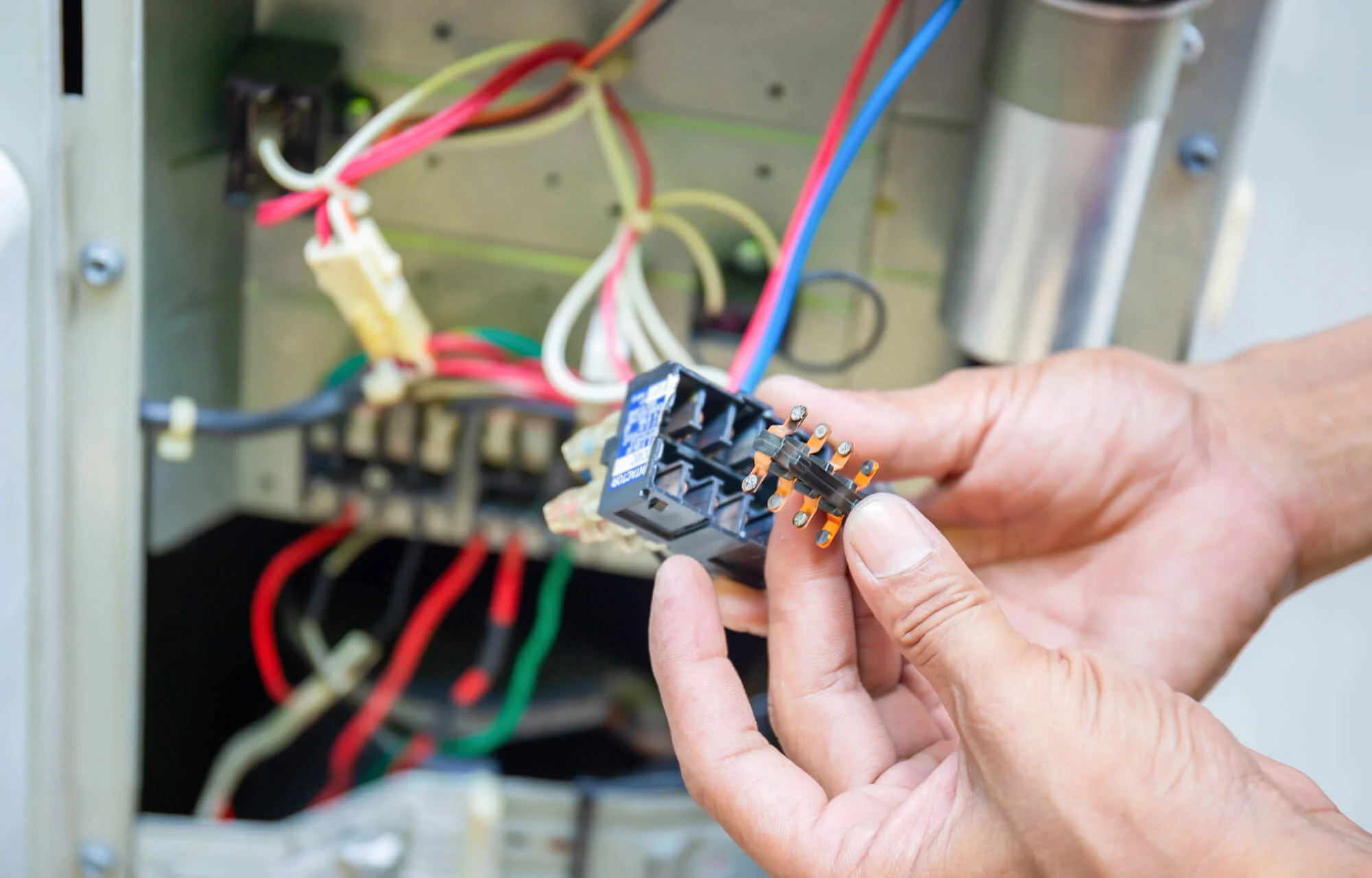
Short cycling happens when a furnace starts, runs for a few minutes, shuts off, and then starts again. It wears out parts faster and leaves rooms uncomfortable. Thermostat problems, airflow restrictions, and electrical concerns can all cause it, and pinpointing the source usually takes a professional diagnosis.
Depending on what’s behind it, the solution may be a simple thermostat adjustment or a more involved furnace repair.
 Unusual Smells
A dusty, burning smell when you first turn on the heat each fall is normal and should fade quickly. A burning or electrical odor that lingers is different and calls for a technician.
If you ever smell rotten eggs, leave the house right away and call your gas utility or 911 from outside. That odor can signal a natural gas leak.
Carbon Monoxide Concerns
Carbon monoxide has no smell at all, which is why a working CO alarm on every level of your home matters so much. The Centers for Disease Control and Prevention recommends having your heating system and other fuel-burning appliances serviced by a qualified technician every year to help prevent CO exposure.
Hearn also offers carbon monoxide safety services for extra peace of mind.
What You Can Safely Check Before You Call
A few quick checks may solve the problem or give your technician useful clues:
- Replace the air filter if it looks gray or clogged.
- Make sure the thermostat is set to heat and has fresh batteries.
- Check that supply vents and return grilles aren’t blocked by furniture or rugs.
- Check your electrical panel for a tripped breaker labeled for the furnace.
- Confirm the furnace power switch, which often looks like a light switch near the unit, is turned on.
If that doesn’t help, leave the rest to a professional. Opening a furnace or handling electrical parts isn’t a safe DIY project.
What to Expect When Hearn Comes Out
Inviting someone into your home takes trust. Every Hearn technician is background-checked and drug-tested, and they treat your home the way we’d want our own treated.
Here’s how a repair visit works:
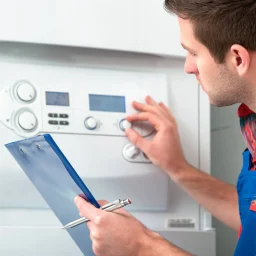
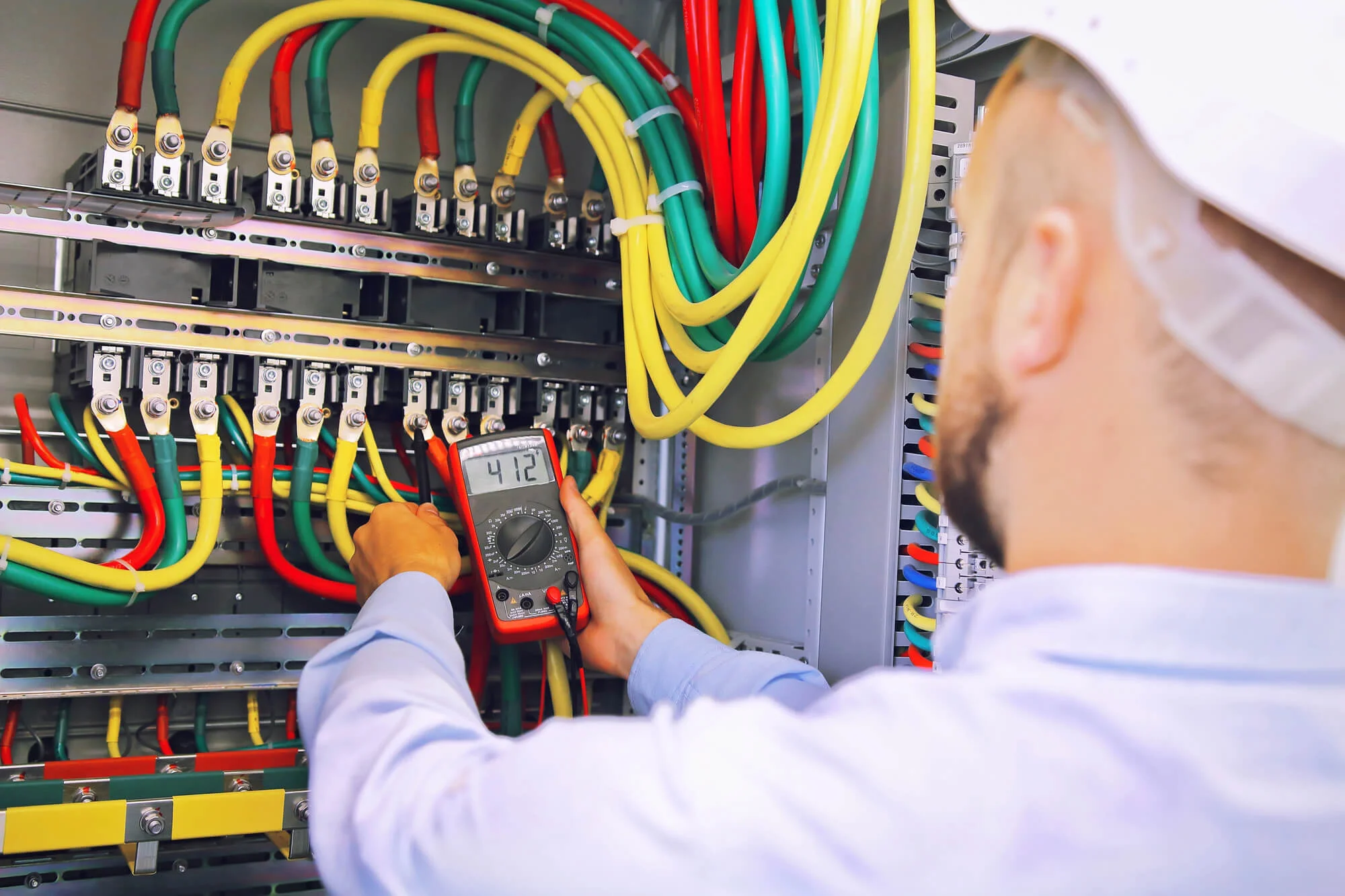
- Your technician evaluates the system and tests key components to find the true cause.
- They explain what they found in plain language.
- You get your options and straightforward pricing before any work begins.
- After the repair, they confirm everything runs properly.
No pressure, no surprises on the bill, just clear information so you can decide what’s right for your home.
When Replacement Makes More Sense
Sometimes an older system needs more than a repair. If so, we’ll tell you honestly and walk you through both options, including the cost of each. The choice stays yours, and financing is available if replacement is the better fit.
Preventing Repairs Down the Road
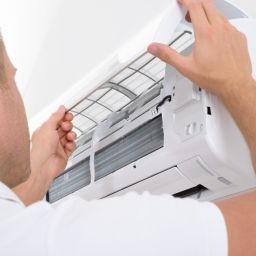
The best repair is the one you never need. During a maintenance visit, a technician can tighten loose connections, replace worn parts, lubricate moving components, and clean the system before small issues grow. Not sure how often your system needs attention? Here’s how often to schedule tune-ups for different types of furnaces.
Our H+ Membership makes it easier to stay on track. Members save 15% on service and receive other perks.
 Schedule HVAC Repair in Kirtland, OH, With Hearn
If you’ve noticed any of these warning signs, our team is ready to help you get ahead of the cold with honest answers and quality work backed by three generations of experience.
Call (440) 428-3905 or reach out to our team to schedule a visit. We’ll take it from there.